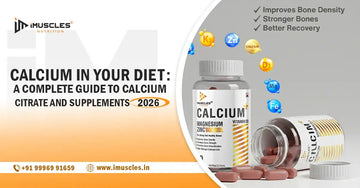
Maintaining strong bones, a healthy immune system, and balanced mineral levels is essential for overall wellness. A calcium magnesium zinc plus vitamin D3 product offers a powerful combination of nutrients designed to support these vital functions. In this guide, you'll discover what these supplements are, how they work together, and the best ways to incorporate them into your daily routine for maximum health benefits.
What Is a Calcium Magnesium Zinc Plus Vitamin D3 Product?
A calcium magnesium zinc plus vitamin D3 product is a dietary supplement commonly available in tablets, capsules, or softgel forms. These supplements combine key minerals—calcium, magnesium, and zinc—with vitamin D3 into a single formula for convenient daily use. The combination addresses multiple aspects of health, particularly bone strength, immune system support, and muscle function.
Calcium plays a crucial role in building and maintaining strong bones and teeth, while magnesium supports nerve, muscle, and cardiovascular health. Zinc is essential for immune function and cognitive performance. Vitamin D3 aids calcium absorption in the gut and contributes to immune regulation.
Typical ingredient sources vary by product; calcium may come from calcium carbonate or calcium citrate, magnesium from magnesium aspartate or citrate, and zinc often as zinc gluconate. Vitamin D3 is usually supplied as cholecalciferol. Some supplements include additional ingredients or are certified gluten-free. Variations allow consumers to select products tailored to their specific dietary and health needs, such as vegetarian capsules or USP verified quality.
For detailed product specifications and bone health support options, consider exploring the iMuscles Calcium Magnesium & Zinc Tablets - iMuscles Nutrition.
Key Benefits of Calcium Magnesium Zinc Plus Vitamin D3 Supplements
Calcium is vital for the formation and maintenance of strong bones and teeth, providing structural support. It also aids muscle contraction and nerve signaling, ensuring proper muscle function throughout the body. Most adults benefit from a well-balanced calcium intake to maintain bone density and reduce osteoporosis risk.
Magnesium plays an important role in nerve transmission, muscle relaxation, and heart rhythm regulation. It supports a healthy nervous system and contributes to cardiovascular wellness. Additionally, magnesium regulates calcium levels, enhancing the balance of these minerals in the body.
Zinc is crucial for immune health and wound healing. It supports a robust immune system, helps regulate cellular metabolism, and contributes to maintaining cognitive health. Adequate zinc intake can improve mood, memory, and overall well-being.
Vitamin D3 enhances calcium absorption in the intestines and supports immune defenses. It works to prevent calcium deficiency by promoting proper mineral uptake and plays a role in modulating immune responses, potentially lowering inflammation.
Combined, these nutrients offer comprehensive benefits including improved bone density, muscle function, immune system support, and mood regulation. This holistic approach often yields better health outcomes than taking a single mineral or vitamin supplement.
How Calcium Magnesium Zinc and Vitamin D3 Work Together
The synergy between calcium and vitamin D3 is central to their effectiveness. Vitamin D3 significantly enhances the absorption of calcium in the intestine, ensuring the mineral reaches bones and teeth where it's most needed. Without sufficient vitamin D3, calcium absorption is inefficient, potentially leading to bone density loss.
Magnesium helps regulate the metabolism of both calcium and vitamin D3. It activates enzymes that convert vitamin D3 into its active form and modulates calcium transport and deposition in bones. Maintaining an appropriate magnesium balance prevents excess calcium levels that could cause adverse effects.
Zinc supports mineral balance by influencing cellular metabolism and immune function, which helps maintain healthy bones and tissues. It also contributes to antioxidant defenses that protect bone cells from oxidative stress.
Together, these nutrients offer enhanced efficacy compared to individual supplementation, supporting robust bone health, immune resilience, and muscle function in a coordinated manner.
Recommended Dosage and Usage Instructions
Typical daily doses for adults generally include approximately 1000 mg of calcium, 400–500 mg of magnesium, 15 mg of zinc, and 400 IU of vitamin D3, though exact amounts may vary depending on the brand and formulation. It's important to follow the supplement facts label and recommended daily dose for safe consumption.
The supplement should be taken with a meal and a full glass of water to improve absorption and reduce the risk of digestive discomfort. Dividing doses throughout the day — for example, taking one tablet up to three times daily — helps maximize mineral uptake and minimize side effects.
Maximum daily limits should not be exceeded without medical advice, as excessive intake can lead to complications, such as kidney issues or mineral imbalances. Special populations like older adults, pregnant or nursing women, and people with health conditions may require adjusted dosages and should consult healthcare providers.
Possible Side Effects and Safety Precautions
Some individuals may experience minor side effects including digestive upset, constipation, or diarrhea when beginning calcium magnesium zinc plus vitamin D3 supplementation. These symptoms are often temporary and can be reduced by adjusting the timing or dosage.
Those taking medications such as antibiotics, bisphosphonates, or thyroid drugs should consult a healthcare professional before starting the supplement to avoid potential interactions. Calcium and magnesium may interfere with the absorption of certain medications.
People with kidney disorders, allergies to supplement ingredients, or other chronic health conditions should use caution. Not exceeding the recommended dosage is crucial to prevent adverse effects like hypercalcemia or magnesium toxicity.
Who Should Consider Taking Calcium Magnesium Zinc Plus Vitamin D3?
This supplement is especially beneficial for individuals with mineral or vitamin D deficiencies, which can be common due to dietary limitations or limited sun exposure. Adult men and women at risk of bone density loss or osteoporosis stand to gain from regular supplementation to maintain skeletal strength.
People who avoid dairy or eat diets low in calcium and magnesium, those with immune system challenges, and adults engaged in fitness activities seeking muscle support will find these supplements helpful. Additionally, it's suitable for adults living in northern latitudes or with lifestyle factors limiting vitamin D synthesis.
How to Choose a Quality Calcium Magnesium Zinc & Vitamin D3 Product
Selecting a quality product involves examining the forms of ingredients included. Calcium citrate and calcium carbonate are common but differ in absorption rates. Magnesium citrate or aspartate generally provide better bioavailability than other magnesium salts. Zinc gluconate or citrate forms are preferable for absorption.
Verifying third-party certifications such as USP verified or similar FDA recognized standards assures potency and purity. Labels should clearly state serving size, ingredient amounts per serving, and disclose any additives or allergens.
Cost is an important consideration but should be balanced against manufacturer reputation and product transparency. Choosing a reputable brand known for quality manufacturing practices, such as the supplement made by Alfa Vitamins Laboratories, is recommended.
Also Read:
Protein Bars — Candy In Disguise DAMAGING YOUR GAINS?
Are You Really Building Muscle or Just Getting Temporary Swell? The Sneaky Problem of Fake Gains
Are Muscle Supplements The Silent Assassins Plotting To Kill You From Inside
Are Muscle-Building Supplements Silently Wrecking Your Health Beyond Repair?
Muscle Fatigue: Is It a Harmless Sign or a Silent Death Sentence Waiting to Strike?
Is Your Regular Protein Healthy Shake Creating a Mineral Inequality?
Are you overeating your Whey just to shake off the gains in your bed?
7 frequently asked questions about multivitamins
Frequently Asked Questions about Calcium Magnesium Zinc Plus Vitamin D3
Can I Take Calcium Magnesium Zinc Every Day?
Yes, taking calcium magnesium zinc plus vitamin D3 every day is generally safe when following recommended dosages. Consistent supplementation supports long-term bone health, immune function, and muscle maintenance. However, it’s best to consult with a healthcare provider to tailor intake to your individual health needs.
What Should I Avoid Taking with Calcium Magnesium and Zinc?
Calcium, magnesium, and zinc may interact with medications such as antibiotics (tetracyclines, fluoroquinolones), thyroid medications, and bisphosphonates. To avoid reduced drug efficacy, space out supplement intake and medication by at least two hours. Always check with a healthcare professional before combining these supplements with medications or other supplements.
Are There Any Specific Dietary Tips When Taking These Supplements?
Taking these supplements with meals can improve absorption and minimize stomach upset. Maintaining a balanced diet rich in fruits, vegetables, and whole foods supports mineral and vitamin D status. Staying well-hydrated and engaging in weight-bearing exercise further promotes bone and immune health alongside supplementation.
Summary: Maximizing Health with Calcium Magnesium Zinc Plus Vitamin D3 Products
Combining calcium, magnesium, zinc, and vitamin D3 offers a comprehensive approach to supporting bone density, immune strength, muscle function, and overall wellness. Choosing high-quality supplements and adhering to recommended dosages ensures safe and effective results. Consulting with healthcare professionals helps tailor supplementation to your needs. Paired with balanced nutrition and a healthy lifestyle, this combination can play a pivotal role in maintaining your long-term health.