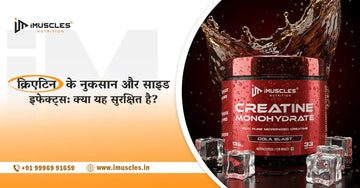
Does Creatine Really Build Muscle, or Are We All Being Deceived?
In the ever-changing world of bodybuilding, few supplements have grabbed attention like creatine. Touted as a game-changer for muscle growth, strength, and athletic performance, creatine has become a must-have in the fitness supplement world. But with its rising fame comes doubt and misinformation. So, does creatine really build muscle, or are we all being tricked? Let's break down the science, dispel the myths, and uncover the real benefits of creatine supplementation.
What Is Creatine?
Creatine is a naturally occurring compound found mainly in muscles and, to a lesser extent, in the brain. It is synthesized from three amino acids: arginine, glycine, and methionine. Most creatine in the body is stored as phosphocreatine, which plays a critical role in regenerating adenosine triphosphate (ATP), the primary energy source for our cells during intense muscular activity.
During high-intensity exercise, phosphocreatine rapidly regenerates ATP, enabling brief bursts of energy essential for activities like sprinting, weightlifting, and other explosive movements. This capacity to enhance performance in short-duration, high-effort exercises is why many athletes and bodybuilders rely on creatine supplementation.
The Science Behind Creatine and Muscle Growth
1. Increased ATP Production
One major benefit of creatine supplementation is its ability to increase ATP availability. Elevated ATP levels allow for higher training volumes and more intense workouts. Scientific studies indicate that athletes taking creatine can experience improved strength, power, and muscle endurance, all of which contribute to enhanced muscle hypertrophy over time.
2. Cell Volumization
Creatine draws water into muscle cells—a process known as cell volumization. This not only makes muscles appear fuller but also creates a favorable anabolic environment for muscle protein synthesis. Increased cellular hydration can stimulate molecular pathways that promote muscle repair and growth.
3. Enhanced Recovery
Research also suggests that creatine supplementation aids recovery by reducing muscle damage and inflammation following intense exercise. This effect allows athletes to train more frequently and with greater intensity. For instance, a study published in the Journal of Strength and Conditioning Research reported that creatine significantly accelerated recovery time and reduced muscle soreness after strenuous workouts.
4. Increased Muscle Protein Synthesis
Multiple studies suggest creatine may enhance muscle protein synthesis—the biological process of building new muscle tissue. By improving the hormonal environment and potentially increasing levels of insulin-like growth factor 1 (IGF-1), creatine supports long-term muscle growth and strength gains.
Debunking the Myths: Is Creatine a Deceptive Supplement?
Despite abundant scientific evidence supporting creatine’s effectiveness, myths continue to persist. Let’s clarify some of the most common misconceptions:
Myth 1: Creatine Causes Water Retention and Fake Gains
It is true that creatine can cause some water retention due to cell volumization, but this is not "fake" muscle growth. The initial weight gain from increased muscle hydration supports better workout performance, ultimately contributing to genuine muscle development. Ignoring this physiological fact misses how creatine truly benefits muscle growth.
Myth 2: Creatine is Dangerous and Harmful
Concerns about creatine’s safety, including possible kidney damage, are largely unfounded for healthy individuals. Numerous studies have demonstrated its safety when used appropriately. For example, research from the Journal of the International Society of Sports Nutrition confirms creatine does not pose significant health risks. However, individuals with pre-existing kidney conditions should consult a healthcare provider before using creatine supplements.
Myth 3: Only Bodybuilders Benefit from Creatine
Creatine isn’t solely beneficial for bodybuilders or heavy lifters; it also supports a broad range of athletes such as sprinters, football players, and those engaged in high-intensity interval training (HIIT). Anyone involved in sports or activities requiring rapid bursts of energy can benefit from creatine supplementation.
Explore the various option of creatine monohrdrate from iMuscle Nutrition!
How to Use Creatine Effectively
If you’re considering creatine supplementation, here are guidelines to maximize its benefits:
-
Loading Phase (Optional): Some users begin with a loading phase—taking 20 grams daily split into four doses for 5-7 days—to quickly saturate muscle creatine stores.
This step is optional and can be skipped based on personal preference.
-
Maintenance Dose: After loading, a consistent daily dose of 3-5 grams is recommended.
Taking it at the same time each day helps establish a routine.
-
Stay Hydrated: Because creatine draws water into muscles, keeping well-hydrated is important, especially during workouts.
-
Combine with Carbs: Consuming creatine with carbohydrates, such as in a post-workout shake, can improve absorption and effectiveness.
-
Cycle if Desired: Some choose to cycle creatine by taking it for a few months and then pausing.
While not necessary, cycling depends on personal preference.
Also Read:
Can I Take Creatine with Milk?
Micronized Creatine Monohydrate Powder: Benefits from iMuscles Nutrition
Difference Between Creapure and Creatine Monohydrate
Can I Take Creatine Without Workout?
Conclusion: The Real Truth About Creatine
So, does creatine really build muscle, or are we being misled? The scientific evidence strongly supports that creatine is an effective and safe supplement for boosting muscle growth, strength, and athletic performance when used correctly. It’s a valuable addition to your fitness journey that can help you reach your muscle-building goals more efficiently.
As with any supplement, an informed approach is crucial. Understanding the science, dispelling myths, and recognizing that creatine should complement a balanced fitness plan—including proper nutrition, training, and recovery—is key. Building muscle involves many factors, and creatine is an effective part of that equation. Use it wisely, and you’ll likely see gains you might not have thought possible!